
Craftsman Garage Door Remote Instructions: A Comprehensive Guide
Navigating Craftsman garage door remote functionality requires understanding diverse methods, from initial setup to troubleshooting, ensuring seamless operation and enhanced security for your home access system․
Understanding Your Craftsman Remote
Craftsman garage door remotes are designed for convenient access, but variations exist․ Recognizing the type you have is crucial for successful programming and troubleshooting․ Older models often utilize fixed-code technology, where the remote sends a consistent signal․ Newer remotes employ rolling-code technology, enhancing security by changing the code with each use, preventing unauthorized access through code replication․
Visually inspect your remote for model numbers, typically located on the back or inside the battery compartment․ These numbers are vital when seeking specific instructions or replacement parts․ Pay attention to the number of buttons; some remotes control multiple doors․ Understanding these basic features will streamline the programming process and ensure optimal performance of your Craftsman garage door opener system, providing peace of mind and reliable operation․
Remote Compatibility: Identifying Your Model
Determining your Craftsman remote’s compatibility is paramount before attempting programming․ Locate the model number, usually printed on the back of the remote or within the battery compartment․ This number dictates the programming method and ensures the remote functions correctly with your garage door opener․ Craftsman has transitioned through several remote generations, each with unique compatibility requirements․
Older, fixed-code remotes (pre-1993) require a different process than newer, rolling-code models․ Rolling-code remotes offer enhanced security․ If you’re unsure of your opener’s age, consult the opener’s manual or the motor unit itself for its manufacturing date․ Compatibility charts are available on the Craftsman website or through authorized dealers, allowing you to cross-reference your remote and opener models for guaranteed functionality․ Accurate identification prevents frustration and ensures a secure connection․
Programming a Craftsman Remote – Initial Setup
Before programming your Craftsman remote, ensure your garage door opener’s system is ready․ Begin by clearing any existing remote codes from the opener’s memory․ This prevents conflicts and ensures a clean programming process․ Locate the “Learn” or “Program” button on the motor unit – its color varies (often purple, orange, yellow, or red) depending on the model year․ Press and release this button; a small indicator light will illuminate, signaling the opener is in programming mode․
You typically have a limited timeframe (usually 30 seconds) to complete the next step․ Within this window, press and hold the button on your Craftsman remote that you wish to program․ The garage door may briefly move, confirming successful code transmission․ Repeat this process for any additional remotes you want to pair with the opener․ Successful programming is indicated by the garage door operating smoothly with the new remote․
Checking Battery Levels & Replacement
Maintaining optimal battery power is crucial for reliable Craftsman remote operation․ Begin by observing the remote’s performance; a reduced range or inconsistent operation often signals low batteries․ Most remotes have a small indicator light that illuminates dimly or not at all when the battery is weak․ To check, carefully open the remote casing – typically a snap-fit design or requiring a small screwdriver․
Inspect the battery for corrosion or leakage․ Replace the battery with a fresh one of the correct type (usually a CR2032 button cell)․ Ensure correct polarity when inserting the new battery (+ side up)․ After replacement, test the remote’s functionality by attempting to operate the garage door․ If the remote still doesn’t work, double-check the battery installation and consider reprogramming the remote․
Programming Methods: Rolling Code vs․ Fixed Code
Craftsman garage door openers utilize two primary programming methods: rolling code and fixed code․ Older models often employed fixed code, where the remote transmits the same signal each time, making them vulnerable to code grabbing․ Modern Craftsman openers predominantly use rolling code technology, significantly enhancing security․
Rolling code remotes generate a new, unique code with each use, preventing replay attacks․ Programming a rolling code remote involves synchronizing it with the garage door opener’s receiver, creating a secure communication link․ This process typically requires accessing the “learn” button on the motor unit․ Fixed code remotes, while simpler to program, are less secure and may require more frequent reprogramming if compromised․ Identifying your opener’s code type is essential for selecting the correct programming procedure․
Programming with a Control Panel (Most Common Method)
The most prevalent method for programming a Craftsman remote involves utilizing the control panel located near your garage door․ Begin by pressing the “Learn” or “Program” button on the motor unit – this initiates a brief window for synchronization․ Within 30 seconds, press the desired button on your remote․ The garage door should briefly move, confirming successful programming․
Repeat this process for each additional remote you wish to pair with the opener․ Some control panels feature a dedicated programming mode, accessible through a menu option․ Refer to your opener’s manual for specific instructions, as button labels and menu structures can vary․ Ensure the remote is within range of the receiver during programming․ If unsuccessful, verify the battery and repeat the steps, ensuring no obstructions interfere with the signal․
Programming Without a Control Panel (Using Existing Remote)
If your system lacks a control panel, programming a new Craftsman remote relies on utilizing a currently functioning remote․ First, locate the “Learn” button on the garage door motor unit itself – it’s typically a small, colored button․ Press and release this button; a nearby indicator light will illuminate, signaling the start of the programming sequence․
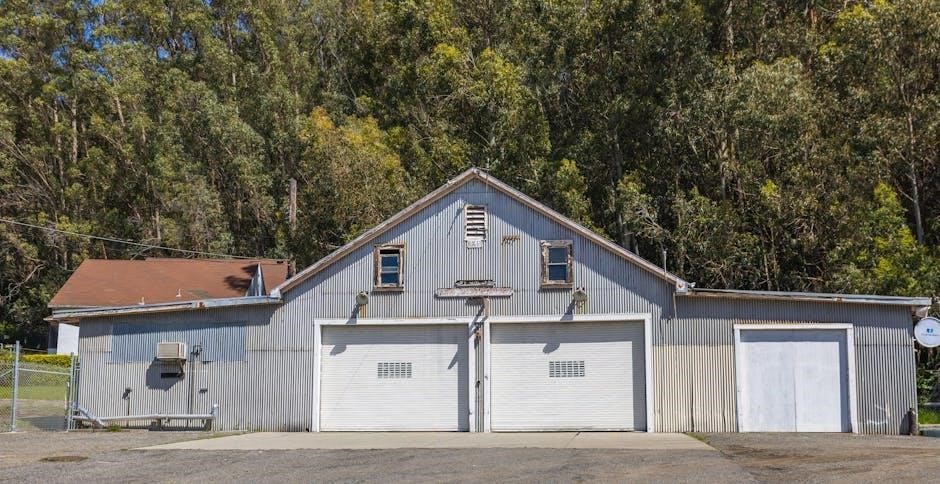
Within the allotted timeframe (usually 30 seconds), press and hold the button on the new remote you wish to program․ The garage door should briefly activate, confirming successful synchronization․ Repeat this process for each additional remote․ If the programming fails, ensure the existing remote is functioning correctly and repeat the steps, maintaining proximity to the motor unit․ Consult your owner’s manual for precise button locations and timing details․
Using the Learn/Program Button on the Motor Unit
The motor unit houses the “Learn” or “Program” button, crucial for remote synchronization when a control panel isn’t available․ Locating this button varies by model, but it’s generally found on the back or side of the unit, often near the antenna․ Pressing and releasing this button initiates a programming mode, indicated by an illuminated LED․
This activation window is typically 30 seconds, demanding prompt action․ Immediately after pressing the motor unit button, activate the desired remote by pressing its button․ A successful connection is usually signaled by the garage door briefly moving or the LED changing color․ Repeat for each remote․ If unsuccessful, verify the battery and repeat, ensuring close proximity․ Refer to your specific model’s manual for precise button location and LED behavior․
Troubleshooting Programming Issues
Programming difficulties are common, often stemming from simple oversights․ First, confirm fresh batteries in both the remote and any wall-mounted control panel․ Ensure no obstructions interfere with the signal – metal objects or other radio sources can cause issues․ Maintain a close distance between the remote, control panel, and motor unit during programming;
If the remote still fails to respond, try clearing existing memory from the motor unit․ This usually involves pressing and holding the “Learn” button until the LED extinguishes․ Then, re-attempt the programming process․ For rolling code systems, ensure the remote is compatible with the receiver․ If multiple remotes aren’t working, a receiver issue might exist, necessitating professional assistance․ Consult the manual for model-specific error codes․
Remote Not Responding After Programming
A remote failing to operate post-programming is frustrating, but often solvable․ Begin by verifying the battery again – even new batteries can be faulty․ Confirm the remote is actually programmed to the correct garage door opener; multiple openers require individual programming․ Check for physical damage to the remote’s circuit board, though this is less common․

Signal interference is a frequent culprit․ Try operating the remote closer to the garage door opener․ If other devices are causing interference, temporarily disable them․ Ensure the antenna on the motor unit is properly connected and undamaged․ If the issue persists, re-program the remote, carefully following the manufacturer’s instructions․ A final step is to check the motor unit’s LED indicator for error signals, referencing the owner’s manual for interpretation․
Multiple Remotes – Programming Additional Units
Adding extra Craftsman remotes is generally straightforward, utilizing the same programming method as the initial setup․ Ensure your garage door opener has sufficient memory capacity to accommodate the additional units – most modern openers do․ Begin by entering the programming mode on your opener, typically by pressing the “Learn” or “Program” button․
Then, activate each remote individually, following the specific steps outlined in your opener’s manual․ Usually, this involves pressing and holding a button on the remote until the opener’s light flashes, confirming successful programming․ Repeat this process for each remote you wish to add․ Test each remote thoroughly after programming to verify functionality․ If a remote fails to program, try again, ensuring no other remotes are simultaneously being programmed․
Resetting a Craftsman Remote
Resetting a Craftsman remote effectively clears its existing programming, returning it to its factory default state․ This is useful when experiencing programming conflicts, transferring ownership of the remote, or preparing it for use with a different garage door opener․ The exact reset procedure varies depending on the remote model․
Typically, resetting involves simultaneously pressing and holding two specific buttons on the remote for a designated period – often 10-30 seconds – until the indicator light flashes rapidly․ Consult your remote’s manual for the precise button combination and timing․ After resetting, you’ll need to reprogram the remote to your garage door opener using the standard programming steps․ A successful reset ensures a clean slate for new programming, resolving potential operational issues․
Lost Remote – Security Considerations & Reprogramming
Losing a Craftsman garage door remote presents a security risk, as someone could potentially use it to gain unauthorized access to your home․ Immediate action is crucial․ The first step is to reprogram all remaining remotes to invalidate the lost one․ This effectively deactivates the lost remote’s access code․
Reprogramming typically involves entering “learn mode” on your garage door opener’s motor unit – often by pressing a dedicated “Learn” or “Program” button․ Then, activate each remaining remote, allowing the opener to recognize its new code․ Consider changing the security code on your opener itself for enhanced protection․ Regularly updating your codes is a proactive security measure․ If you suspect the remote was stolen, contact local authorities․
Replacing a Craftsman Remote – Finding the Right Model
When replacing a Craftsman garage door remote, compatibility is paramount․ Not all remotes work with all openers․ The key is identifying your garage door opener’s model number, usually found on a label affixed to the motor unit․ This number dictates which remotes are compatible․ Craftsman remotes utilize rolling code technology, meaning the code changes with each use, enhancing security․
Several remote options exist, including multi-function remotes capable of controlling multiple doors, and visor remotes for convenient car attachment․ Online retailers and hardware stores offer a wide selection․ Ensure the replacement remote is specifically designed for Craftsman openers and supports your opener’s rolling code frequency; Check the product description carefully before purchasing to avoid incompatibility issues and ensure a smooth replacement process․
Craftsman Remote Features & Functions
Craftsman garage door remotes offer a range of features beyond simple door operation․ Many models include multiple buttons, allowing control of several doors from a single unit – ideal for homes with multiple bays or gates․ Some remotes feature a built-in visor clip for convenient attachment to your car’s sun visor, ensuring easy access․ A notable function is the integrated light control, enabling you to turn your garage lights on or off remotely, enhancing security and convenience․
Advanced remotes may also support MyQ technology, enabling smartphone control and monitoring․ This allows you to open or close your garage door from anywhere with an internet connection, receive alerts when the door is used, and set schedules․ Understanding these features maximizes the utility and security benefits of your Craftsman remote system․
Using the Visor/Light on Your Remote
Many Craftsman remotes are designed with practical features like a built-in visor clip, offering hands-free convenience while driving․ Simply slide the remote onto your car’s sun visor for immediate access – eliminating the need to search through glove compartments or consoles․ This ensures quick and easy operation when approaching your garage;
The integrated light function provides added security and visibility․ A quick press of the designated light button activates the garage lights, illuminating your driveway and interior․ This is particularly useful during nighttime arrivals, enhancing safety and deterring potential intruders․ Remember to check the battery level regularly to ensure both the remote and light functions operate reliably․ Utilizing these features maximizes the remote’s everyday practicality․
Battery Replacement – Step-by-Step Guide
Maintaining your Craftsman remote begins with regular battery checks․ If the range diminishes or the remote becomes unresponsive, a battery replacement is likely needed․ First, locate the battery compartment – typically on the back or side of the remote, secured by a small screw or sliding cover․ Use a small screwdriver to carefully open the compartment․
Remove the old battery, noting its polarity (+ and -)․ Insert the new battery, ensuring correct alignment․ Replace the compartment cover and secure it․ Test the remote’s functionality by pressing a button․ If it doesn’t work, double-check the battery’s polarity and ensure it’s making good contact․ Dispose of the old battery responsibly, following local regulations․ Consistent battery maintenance guarantees reliable operation․
Safety Precautions When Programming & Using Remotes
Prioritizing safety during programming and operation is crucial․ Always keep remotes out of reach of children to prevent accidental activation, which could lead to injury or damage․ Never program or test a remote while the garage door is in motion․ Ensure the area around the garage door is clear of people and obstructions before operating it with the remote․
Be mindful of potential interference․ Avoid programming near strong radio frequency sources․ Regularly inspect the remote for damage and discontinue use if any is detected․ Never attempt to repair a remote yourself; contact a qualified technician․ Secure your home by changing the remote code if you suspect it has been compromised․ Responsible usage ensures a safe experience․
Advanced Features: MyQ Compatibility & Smart Control
Craftsman remotes often integrate with MyQ technology, unlocking a suite of smart home capabilities․ MyQ allows remote control of your garage door from anywhere using a smartphone app, providing convenient access and peace of mind․ You can receive real-time notifications about door activity, monitor door status, and even grant access to guests remotely․

Smart control extends beyond basic operation․ MyQ compatibility enables features like scheduled door openings and closings, enhancing security and convenience․ Integration with other smart home platforms, such as Amazon Alexa or Google Assistant, allows voice control of your garage door․ Explore the MyQ app and compatible devices to maximize the functionality of your Craftsman remote and elevate your home automation experience․
Remote Interference & Solutions
Several factors can cause interference with your Craftsman remote’s signal, impacting its range and reliability․ Common culprits include other radio frequency devices, such as baby monitors, wireless routers, and even neighboring garage door openers operating on similar frequencies․ Physical obstructions like dense foliage, walls, or metal structures can also weaken the signal․
To address signal issues, try relocating your antenna or motor unit if possible․ Minimize obstructions between the remote and the garage door opener․ Consider changing the frequency on your opener (if adjustable) to avoid conflicts․ Ensure fresh batteries are installed in the remote․ If problems persist, consult the Craftsman documentation or contact customer support for further assistance in diagnosing and resolving the interference․
Addressing Signal Issues & Range Problems
Weak signal strength or limited range with your Craftsman remote often stems from interference or physical obstructions․ Begin by verifying the remote’s battery; low power significantly reduces transmission distance․ Next, inspect the garage door opener’s antenna – ensure it’s fully extended and undamaged․ Try positioning the antenna for optimal signal propagation, avoiding metal objects․
If interference is suspected, temporarily disable nearby wireless devices to see if performance improves․ Walls, trees, and even parked cars can absorb radio waves, shortening the effective range․ Experiment with different operating locations to find a sweet spot․ For persistent issues, consider a signal booster specifically designed for garage door openers, or consult a professional for a site survey to identify and mitigate signal-blocking factors․
 special instruction early intervention
  cuisinart rice maker instructions
  schedule j form 990 instructions
  canon powershot sx60 hs user manual
  prayers for fasting pdf
  honeywell rth7600d operating manual
  park city winter trail map pdf