Honda Odyssey 2018 Manual: A Comprehensive Overview
Recent online discussions highlight Honda vehicle experiences‚ including maintenance‚ model comparisons (Jazz‚ HR-V‚ Civic‚ ZR-V‚ CRV)‚ and purchase considerations as of today‚ March 9‚ 2026.
The 2018 Honda Odyssey represents a significant iteration in Honda’s minivan lineage‚ offering a blend of family-focused features‚ innovative technology‚ and reliable performance. Online forums reveal ongoing discussions about Honda vehicles generally‚ with owners sharing experiences ranging from routine maintenance – like addressing ABS issues in Civics – to more complex problems with hybrid systems in HR-Vs.
These conversations‚ spanning from 2010 to late 2025‚ demonstrate a consistent interest in Honda’s build quality and long-term reliability. While specific 2018 Odyssey issues aren’t directly detailed in these snippets‚ the broader context suggests owners value dependable transportation. The 2018 model year builds upon this reputation‚ aiming to provide a comfortable and versatile experience for families. Understanding its features requires access to the official owner’s manual.
Understanding the 2018 Odyssey Trim Levels
The 2018 Honda Odyssey was offered in five distinct trim levels: LX‚ EX‚ EX-L‚ Touring‚ and Elite. Recent online discussions about Honda models – including Jazz‚ HR-V‚ Civic‚ and ZR-V – highlight the importance of choosing the right configuration to meet individual needs and budgets. Owners frequently compare features and consider long-term reliability‚ as evidenced by a Civic owner’s experience with a 220‚000km vehicle.
Each Odyssey trim builds upon the previous one‚ adding features like enhanced infotainment systems‚ leather upholstery‚ and advanced safety technologies. The Elite trim‚ for example‚ represents the pinnacle of luxury and convenience. Understanding these differences‚ often detailed within the owner’s manual‚ is crucial for maximizing the vehicle’s potential and ensuring owner satisfaction‚ mirroring the careful consideration seen in recent Honda purchases.
Locating and Downloading the 2018 Odyssey Owner’s Manual
Accessing the 2018 Honda Odyssey’s owner’s manual is straightforward. Honda provides digital copies on their official website‚ typically within the “Owners” section. Searching for “2018 Odyssey Owner’s Manual” will yield the downloadable PDF. This resource is invaluable‚ mirroring the detailed information sought by Honda owners discussing maintenance and features online – from Jazz to CR-V models.
Alternatively‚ a physical copy was originally included with the vehicle upon purchase. Online forums reveal owners seeking advice on various Honda models‚ emphasizing the importance of understanding vehicle specifics. The manual covers everything from routine maintenance schedules to detailed explanations of the Honda Sensing suite‚ ensuring owners can fully utilize their Odyssey’s capabilities‚ much like those researching new Jazz models.

Key Features and Specifications
Discussions regarding Honda vehicles – including Civic‚ HR-V‚ and Jazz – frequently center on engine performance‚ hybrid systems‚ and overall vehicle specifications as of today.
Engine and Performance Details
Recent online conversations about Honda vehicles‚ spanning models like the Civic‚ Jazz‚ HR-V‚ CR-V‚ and ZR-V‚ often delve into engine specifics and performance characteristics. Users share experiences with engine issues‚ such as braking problems and ABS malfunctions in older Civics‚ noting repair costs. Discussions also cover hybrid engine performance‚ particularly in the HR-V and ZR-V‚ focusing on fuel consumption and power output (184 CV for the ZR-V).
There’s a recurring theme of comparing different Honda models‚ assessing their suitability for various driving conditions‚ including urban environments like Milan. Owners discuss engine sizes (1.6 i-Dtec‚ 1.993 cm3) and the impact of start-stop systems‚ sometimes reporting malfunctions. These online exchanges provide a glimpse into real-world engine reliability and performance feedback.
Transmission and Drivetrain Information
Online Honda owner forums reveal discussions touching upon drivetrain concerns‚ though not specifically detailing the 2018 Odyssey’s transmission. Users report issues like ABS malfunctions requiring repairs – costing around 900 euros in one Civic instance – hinting at potential broader system interdependencies. Hybrid drivetrain components‚ featured in models like the HR-V and ZR-V‚ are frequently discussed regarding fuel efficiency and overall performance.
While direct transmission specifics are scarce in these snippets‚ the general sentiment points to potential long-term maintenance needs. Owners share experiences with older models‚ suggesting preventative care is crucial. Comparisons between Honda and Lexus highlight differences in vehicle size and handling‚ indirectly referencing drivetrain characteristics. These conversations emphasize the importance of regular checks and timely repairs.
Interior Features and Comfort

Recent online discussions among Honda owners frequently mention vehicle spaciousness and comfort‚ particularly when comparing models like the Odyssey to the ZR-V and Lexus alternatives. Owners debate between Jazz Crosstar and Sport trims‚ indicating a focus on interior features and driving experience. The Civic’s interior‚ while initially satisfactory‚ reportedly showed wear over time‚ prompting a vehicle replacement after 220‚000km.
These conversations suggest that interior durability and perceived value are key considerations for Honda buyers. While specific details about the 2018 Odyssey’s interior aren’t directly available in these snippets‚ the broader trend highlights a desire for comfortable‚ well-maintained cabins. Owners prioritize features impacting daily usability and long-term satisfaction.

Operating the 2018 Honda Odyssey
Online forums reveal Honda owners discussing vehicle functionality‚ including start/stop systems and braking issues‚ hinting at potential operational concerns and troubleshooting needs.
Starting and Stopping Procedures
Initiating the 2018 Honda Odyssey typically involves ensuring the vehicle is in Park or Neutral‚ depressing the brake pedal firmly‚ and then pressing the engine start/stop button. Recent online discussions among Honda owners touch upon potential issues with this system‚ specifically mentioning instances where the start/stop function malfunctions – as seen with a CRV owner in 2015.
Shutting down the Odyssey requires a simple press of the engine start/stop button while the vehicle is in Park. It’s crucial to ensure the vehicle is completely stopped before shifting into Park to avoid potential transmission strain. Owners have also shared experiences regarding braking systems‚ with one Civic owner reporting ABS issues requiring repair. Therefore‚ verifying proper brake function is essential before and during operation.
Understanding the Dashboard Indicators
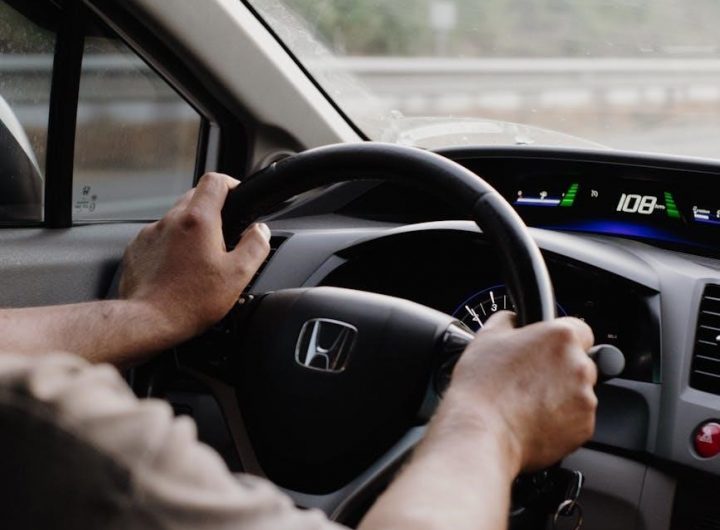
The 2018 Honda Odyssey’s dashboard features a comprehensive array of indicators. Familiarizing yourself with these is crucial for safe operation. Online forums reveal Honda owners occasionally encounter electrical system problems‚ potentially triggering warning lights. A Civic owner reported ABS issues‚ highlighting the importance of monitoring brake-related indicators.
Key indicators include the check engine light‚ oil pressure warning‚ battery warning‚ and brake system warning. The Honda Sensing suite also utilizes specific indicators for features like lane departure warning and collision mitigation braking. Refer to the owner’s manual for detailed explanations of each symbol and recommended actions when illuminated. Ignoring warning lights can lead to more significant mechanical issues‚ as experienced by some Honda owners.
Using the Honda Sensing Suite
The 2018 Odyssey’s Honda Sensing suite offers advanced driver-assistive technologies. These systems‚ however‚ require understanding and responsible use. Online discussions emphasize the importance of attentive driving‚ even with these aids. The suite typically includes Collision Mitigation Braking System (CMBS)‚ Lane Keeping Assist System (LKAS)‚ Road Departure Mitigation System (RDM)‚ and Adaptive Cruise Control (ACC).
Proper operation involves familiarizing yourself with the system’s limitations and settings. CMBS can automatically apply brakes in certain situations‚ while LKAS assists with steering. RDM alerts drivers if unintentional lane departures occur. ACC maintains a set speed and distance from the vehicle ahead. Remember‚ these are assistive features‚ not replacements for attentive driving‚ as highlighted by recent Honda owner experiences.

Maintenance and Care

Online forums reveal Honda owners discussing repairs like ABS issues (Civic) and general maintenance‚ emphasizing the need for regular fluid checks and tire upkeep.
Recommended Maintenance Schedule
Maintaining your 2018 Honda Odyssey requires adherence to a specific schedule to ensure optimal performance and longevity. Based on recent online discussions amongst Honda vehicle owners‚ preventative care is frequently mentioned. Regular oil changes are crucial‚ typically every 7‚500 to 10‚000 miles‚ depending on driving conditions and oil type.
Tire rotations should occur every 5‚000 to 7‚500 miles to promote even wear. Brake inspections are recommended at each oil change‚ with brake pad replacements as needed. Air filter replacements are generally advised every 15‚000 to 30‚000 miles. Furthermore‚ coolant flushes‚ transmission fluid changes‚ and spark plug replacements follow longer intervals‚ outlined in the official owner’s manual. Owners also discuss unexpected repairs like ABS issues‚ highlighting the importance of proactive maintenance to avoid costly problems down the road.
Fluid Checks and Replacements
Regular fluid checks are vital for the 2018 Honda Odyssey’s health. Online forums reveal owner experiences with fluid-related issues‚ emphasizing proactive maintenance. Engine oil should be checked monthly and replaced according to the recommended schedule (typically 7‚500-10‚000 miles). Coolant levels must be inspected regularly‚ ensuring the correct mixture to prevent overheating.
Brake fluid should be checked for contamination and replaced every two to three years. Transmission fluid is critical; owners discuss potential issues‚ suggesting changes every 30‚000-60‚000 miles. Power steering fluid and windshield washer fluid levels should also be maintained. Addressing fluid needs promptly‚ as highlighted in online discussions‚ can prevent significant mechanical failures and extend the Odyssey’s lifespan.
Tire Information and Maintenance
Proper tire care is essential for the 2018 Honda Odyssey’s safety and performance. Owners frequently discuss tire longevity and maintenance in online forums. Regularly check tire pressure (found on the driver’s side doorjamb) and inflate to the recommended PSI. Inspect tires for wear and tear‚ including uneven tread patterns‚ bulges‚ or cuts.
Rotate tires every 5‚000-7‚500 miles to ensure even wear. Wheel alignment should be checked annually or if you notice steering issues. The 2018 Odyssey typically uses tires with a specific load index and speed rating – adhere to these specifications when replacing tires. Online discussions highlight the importance of using quality tires for optimal handling and braking‚ contributing to overall vehicle safety.
Troubleshooting Common Issues
Online reports detail Honda vehicle problems like braking failures (Civic)‚ electrical issues‚ and engine performance concerns‚ requiring professional assistance for diagnosis and repair.
Addressing Electrical System Problems
Electrical issues in the 2018 Honda Odyssey can range from simple fuse replacements to complex sensor malfunctions. Recent online discussions regarding various Honda models hint at potential electrical gremlins. Begin troubleshooting by checking the owner’s manual for fuse box locations and diagrams. Common problems include malfunctioning power windows‚ door locks‚ and the infotainment system.
If a fuse isn’t the culprit‚ consider the battery’s health and connections. Corroded terminals can disrupt electrical flow. For more serious issues‚ like the Honda Sensing suite failing‚ a diagnostic scan tool is recommended to retrieve error codes. These codes pinpoint the source of the problem‚ guiding repair efforts. Remember‚ electrical repairs can be complex; professional assistance is often necessary to avoid further damage or safety hazards.

Dealing with Engine Performance Issues
Engine performance problems in the 2018 Honda Odyssey can manifest as reduced power‚ rough idling‚ or unusual noises. Online discussions about Honda vehicles‚ like the Civic‚ reveal potential long-term issues‚ suggesting preventative maintenance is crucial. Start by checking for error codes using an OBD-II scanner; Common causes include faulty spark plugs‚ air filter restrictions‚ or fuel injector problems.
A clogged catalytic converter can also significantly reduce engine power. Inspect the engine’s air intake system for leaks. If the issue persists‚ a compression test can reveal internal engine problems. Remember‚ ignoring engine performance issues can lead to more extensive and costly repairs. Professional diagnosis and repair are recommended for complex engine concerns.
Resolving Transmission Concerns
Transmission issues in the 2018 Honda Odyssey can range from slipping gears to harsh shifting or complete failure. Based on online reports concerning Honda vehicles‚ particularly the Civic‚ preventative fluid changes are vital. Begin by checking the transmission fluid level and condition; dark or burnt fluid indicates a problem. Erratic shifting may signal a failing solenoid or valve body.
A failing torque converter can cause shuddering or stalling. Diagnostic trouble codes (DTCs) retrieved via an OBD-II scanner can pinpoint the source. For complex issues‚ professional transmission service is highly recommended. Ignoring transmission concerns can lead to extensive damage and costly replacements. Regular maintenance‚ as outlined in the owner’s manual‚ is key.
Safety Features and Operation
Online discussions emphasize Honda’s safety commitment‚ though specific 2018 Odyssey details aren’t present in the provided data. Proper operation of airbags and collision systems is crucial.
Airbag System Details
The 2018 Honda Odyssey’s airbag system is a crucial component of its overall safety design‚ employing a multi-stage approach to occupant protection. This system includes front airbags for both driver and passenger‚ designed to deploy with varying force based on crash severity and occupant size. Side curtain airbags provide head protection for all rows of seating‚ while side airbags protect the torso.
Understanding the system’s operation is vital; airbags deploy only in significant collisions. Factors like seatbelt usage and crash impact influence deployment. Recent online conversations‚ while not Odyssey-specific‚ highlight the importance of vehicle safety features. Always ensure proper seatbelt use and avoid placing objects near airbag deployment zones. Refer to the official 2018 Odyssey owner’s manual for detailed diagrams and specific operational instructions regarding the airbag system.
Child Safety Seat Installation
The 2018 Honda Odyssey prioritizes child passenger safety‚ featuring LATCH (Lower Anchors and Tethers for CHildren) lower anchors and tether anchors in multiple seating positions. The owner’s manual provides detailed instructions and diagrams illustrating proper installation procedures for various child seat types – infant‚ convertible‚ and booster seats.
It’s crucial to follow both the car seat manufacturer’s instructions and the Odyssey’s manual for secure installation. Recent online discussions regarding Honda vehicles emphasize the importance of correct safety feature usage. Always verify the seat is firmly attached and doesn’t exhibit excessive movement. Regularly check the installation to ensure continued security‚ especially after vehicle adjustments or use. Prioritize safety and consult the manual for specific guidance.

Collision Mitigation System
The 2018 Honda Odyssey’s Collision Mitigation System (CMBS) is a suite of advanced safety features designed to assist the driver in preventing or reducing the severity of collisions. The owner’s manual details the system’s components‚ including Forward Collision Warning (FCW) and Automatic Emergency Braking (AEB).
CMBS utilizes a front-facing camera and radar to detect potential collision risks. Recent online discussions about Honda vehicles highlight the importance of understanding these safety technologies. The manual explains system limitations – it’s not a substitute for attentive driving. Drivers must remain aware of surroundings and be prepared to take control. Proper system operation relies on clear visibility and functioning sensors; refer to the manual for maintenance guidelines.
 petsafe automatic feeder user manual
  magic chef washer dryer combo manual
  gray’s manual of botany
  waterdrop x series undersink reverse osmosis system x16 manual
  kia service manual pdf free download
  stormwater manual for western washington
  honda odyssey 2018 manual
  bmw 1 series user manual
  craftsman garage door remote instructions
  julian date calendar 2023 pdf