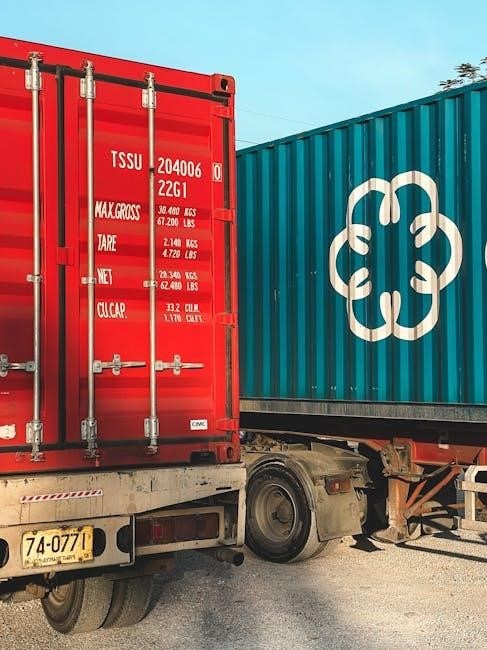
Executive Summary
This plan details a new trucking venture, aiming for rapid growth by securing initial customers before fleet investment․ Focusing on minimizing losses and maximizing gains,
it explores diverse revenue streams like direct contracts and load boards, leveraging a resilient, ambitious mindset for success․
Company Description
[Company Name] is a newly established asset-based trucking company dedicated to providing reliable and efficient transportation solutions across [Geographic Area]․ Founded on January 22, 2026, we aim to quickly establish ourselves as a trusted partner for businesses requiring freight services․ Recognizing the challenges faced by new carriers, particularly regarding authority and load access, our initial strategy centers on collaborating with established brokers like CH Robinson and TQL to secure consistent freight volume․
We will prioritize building a strong operational foundation and a positive reputation within the industry․ Our commitment extends beyond simply moving goods; we strive to deliver exceptional customer service and build long-term relationships based on trust and dependability․ We intend to leverage technology and strategic partnerships to optimize efficiency and maintain a competitive edge․

Mission Statement
Our mission is to become a leading provider of safe, reliable, and cost-effective trucking services, fostering strong partnerships with our clients and carriers․ We are dedicated to exceeding expectations through operational excellence, innovative solutions, and a commitment to integrity․ We aim to build a sustainable business that values its employees, contributes to the communities we serve, and consistently delivers on our promises․
We will achieve this by prioritizing customer satisfaction, embracing technological advancements, and maintaining a proactive approach to risk management․ Our focus will be on building a resilient and adaptable organization capable of navigating the dynamic challenges of the transportation industry, ensuring long-term growth and success․
Products and Services
We offer a comprehensive suite of trucking services designed to meet diverse logistical needs․ This includes dry van transportation, catering to general freight requirements, and potential expansion into specialized hauling․ We will initially focus on securing loads through established brokers like CH Robinson and TQL, building authority with a new MC number․
Future service offerings may encompass refrigerated transport and hazardous material (Hazmat) hauling, contingent upon market demand and regulatory compliance․ We aim to provide flexible solutions, including full truckload (FTL) and less-than-truckload (LTL) options, ensuring efficient and timely delivery for our clients․ Utilizing DAT load boards will be a key component of our growth strategy․

Company Analysis
Our analysis reveals a competitive trucking market, demanding authority building for new entrants․ Success hinges on efficient load acquisition and strategic broker partnerships for profitability․
Industry Overview
The trucking industry is a cornerstone of the US economy, responsible for over 70% of freight transportation․ It’s a highly fragmented market, comprised of large national carriers, regional players, and a vast number of independent owner-operators․ Currently, the industry faces fluctuating fuel costs, driver shortages, and evolving regulations impacting operational expenses․ Demand is closely tied to overall economic health, with growth sectors including e-commerce driving increased need for last-mile delivery services․
Technological advancements, such as Electronic Logging Devices (ELDs) and telematics, are reshaping efficiency and safety standards․ Competition is intense, requiring businesses to differentiate through service quality, specialized offerings, and effective cost management․ The industry is cyclical, sensitive to economic downturns, but consistently presents opportunities for agile and well-managed companies․
Market Analysis
Our target market encompasses shippers requiring reliable, cost-effective transportation solutions, particularly small to medium-sized businesses underserved by larger carriers․ Initial focus will be on establishing relationships with brokers like CH Robinson and TQL to secure consistent freight volume, overcoming the challenges of a new MC number․
Geographic concentration will begin regionally, expanding strategically based on demand and profitability․ The market demonstrates a need for adaptable trucking services, especially given the rise of e-commerce and just-in-time inventory management․ Success hinges on competitive pricing, on-time delivery, and building a reputation for trustworthiness within the brokerage community and direct shipper base․
Competitive Analysis
The trucking industry is highly fragmented, with competition ranging from large national carriers to numerous independent owner-operators․ Key competitors include established brokers like CH Robinson and TQL, who control significant freight volume, and other emerging trucking companies vying for market share․
Our competitive advantage lies in agility, personalized service, and a commitment to building strong relationships with both shippers and brokers․ While DAT offers a robust load board, access is often limited for new entrants․ We will leverage initial broker partnerships to establish credibility and build a track record, differentiating ourselves through reliability and responsiveness․
SWOT Analysis
Strengths: A lean startup focused on minimizing initial investment by securing customers before acquiring trucks, fostering a resilient, profit-driven mindset․ Weaknesses: New MC number lacking established authority, potentially limiting immediate access to premium loads and requiring reliance on brokers initially․
Opportunities: Growing demand for freight transportation, potential for specialized services (hazmat, refrigerated), and leveraging technology for efficient dispatch and logistics․ Threats: Fluctuating fuel prices, economic downturns impacting freight volume, and intense competition from established carriers․

Organization and Management
The company will initially operate with a co-founder partnership, emphasizing clear roles and responsibilities․ An advisory board will provide guidance and expertise for sustained growth․
Management Team
The core of our management team comprises experienced professionals dedicated to building a thriving trucking operation․ [Founder’s Name], as CEO, brings a strong background in logistics and business development, crucial for securing initial clients and establishing key partnerships․ Their vision centers on a customer-centric approach and operational efficiency․
[Co-founder’s Name], serving as COO, possesses extensive hands-on experience in fleet management and dispatch logistics․ This expertise will be vital for maintaining a reliable and cost-effective transportation network․ Furthermore, we plan to assemble an advisory board of industry veterans to provide strategic guidance and mentorship, navigating the complexities of the trucking market and ensuring compliance with evolving regulations․ This collaborative structure will foster informed decision-making and sustainable growth․
Organizational Structure
Our company will initially adopt a flat organizational structure, fostering agility and direct communication․ Reporting directly to the CEO and COO will be key personnel in dispatch, maintenance, and sales․ As we scale, we’ll transition to a more departmentalized model, creating specialized teams for enhanced efficiency․
Dispatch will handle load assignments and driver communication, while maintenance will ensure fleet reliability․ The sales team will focus on securing new contracts and building client relationships․ A centralized administrative function will manage finances, compliance, and human resources․ This structure prioritizes responsiveness and accountability, enabling swift adaptation to market demands and efficient resource allocation․ Clear lines of authority will ensure streamlined operations and effective problem-solving․
Advisory Board
We are assembling an advisory board comprised of industry veterans and business professionals․ This board will provide strategic guidance on market trends, operational best practices, and financial management․ Members will include experienced trucking operators, logistics experts, and legal counsel specializing in transportation law․
Their collective expertise will be invaluable in navigating the complexities of the trucking industry․ The advisory board will meet quarterly to review performance, assess risks, and offer recommendations for growth․ We anticipate leveraging their networks to secure advantageous partnerships and identify emerging opportunities․ This proactive approach ensures informed decision-making and sustainable long-term success, mitigating potential challenges and maximizing profitability․

Service Offering Details
Our core services encompass diverse trucking solutions, including dry van, flatbed, and specialized hauls․ Geographic coverage will initially focus on regional routes, expanding nationally over time․
Types of Trucking Services
We will offer a comprehensive suite of trucking services to cater to a broad spectrum of client needs․ Initially, our primary focus will be on general freight hauling utilizing dry van trailers – a high-demand service for numerous industries․ Expanding beyond this, we intend to incorporate flatbed services for oversized or uniquely shaped cargo, opening doors to construction and manufacturing sectors․
Furthermore, recognizing specialized market opportunities, we plan to offer refrigerated trucking (reefer) to transport temperature-sensitive goods like food and pharmaceuticals․ Hazmat transportation, requiring specialized certifications and equipment, will be considered after establishing a strong safety record and securing necessary permits․ Finally, dedicated route services, providing consistent and reliable transport for specific clients, will be a key offering, fostering long-term partnerships․
Geographic Coverage
Our initial operational focus will be on the contiguous United States, specifically targeting the high-traffic corridors between the Midwest and both the East and West Coasts․ This region presents substantial freight demand and allows for efficient route optimization․ We will prioritize lanes connecting major manufacturing hubs with distribution centers and consumer markets․
Phase two expansion will involve strategically adding coverage in the Southeast and Southwest, capitalizing on growing economies and increasing freight volumes․ We will leverage technology to dynamically adjust our service area based on market conditions and customer needs, ensuring optimal profitability․ Long-term, we will evaluate opportunities for cross-border shipments into Canada and Mexico․
Specialized Services (e․g․, Hazmat, Refrigerated)
Initially, we will concentrate on general freight to establish a strong operational foundation and customer base․ However, recognizing the potential for higher margins, we plan a phased introduction of specialized services․ Within the first year, we will pursue Hazmat certification and training for a dedicated fleet, targeting industries like chemical and manufacturing․
Subsequently, we will invest in refrigerated trailers to serve the food and beverage sector, responding to growing demand for temperature-controlled logistics․ Long-term, we’ll assess opportunities in oversized/overweight hauling and flatbed services, diversifying our offerings and maximizing revenue potential․ All specialized services will adhere to strict safety and compliance standards․
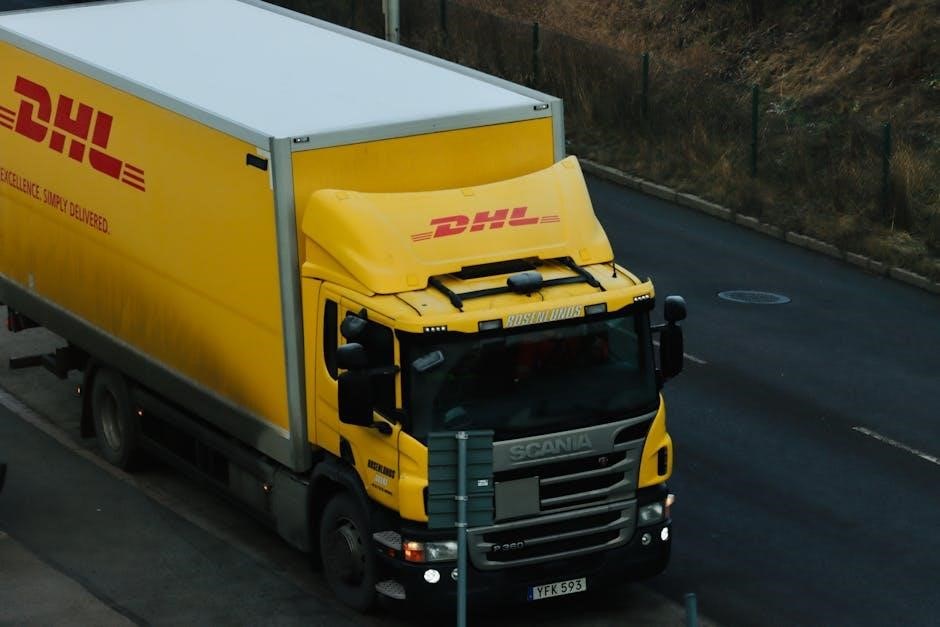
Marketing and Sales Strategy
Our strategy focuses on direct outreach to shippers and leveraging load boards like DAT, initially partnering with brokers like CH Robinson and TQL for consistent freight․
Target Market
Our initial target market encompasses small to medium-sized businesses (SMBs) requiring reliable transportation solutions, particularly those underserved by larger carriers․ We will prioritize industries with consistent freight needs, such as manufacturing, retail, and construction, focusing on regional routes to establish a strong presence․
Furthermore, we aim to attract brokers – like CH Robinson and TQL – seeking dependable capacity, understanding that building relationships with these intermediaries provides immediate access to a broad range of shipping opportunities․
Long-term, expansion will include targeting specialized niches, potentially including businesses needing refrigerated or hazardous material transport, contingent upon acquiring the necessary equipment and certifications․ This phased approach allows for controlled growth and focused marketing efforts․
Marketing Plan
Our marketing strategy centers on a multi-faceted digital approach, prioritizing online visibility and direct outreach․ We will establish a professional website detailing our services and coverage area, coupled with active profiles on relevant trucking load boards like DAT, initially focusing on building operational history for access․
Content marketing will play a key role, creating informative blog posts and social media updates addressing common shipping challenges and showcasing our reliability․
Direct sales efforts will target brokers, emphasizing our commitment to on-time delivery and transparent communication․ Networking within industry associations and attending relevant trade shows will further expand our reach and build brand awareness․
Sales Strategy
Our sales approach prioritizes building strong relationships with freight brokers, particularly large players like CH Robinson and TQL, to secure consistent load volume initially․ We’ll emphasize our new MC number’s commitment to reliable service and competitive rates, acknowledging the need to establish a positive track record․
Proactive outreach will be crucial, involving regular communication and responsiveness to broker needs․ We will offer flexible solutions and transparent pricing to foster trust and encourage repeat business․
As our operational history grows, we’ll expand sales efforts to direct shippers, leveraging our established reputation and service quality to secure long-term contracts․

Operational Plan
Efficient fleet management, dispatch logistics, and proactive maintenance are key․ We’ll prioritize minimizing downtime and maximizing truck utilization for optimal profitability and service delivery․
Fleet Management
Our fleet strategy begins with a lean approach, initially utilizing a small number of well-maintained trucks to validate the business model and secure consistent revenue streams․ We will prioritize acquiring newer, fuel-efficient vehicles to reduce operating costs and environmental impact․ A robust preventative maintenance schedule will be implemented, encompassing regular inspections, oil changes, and tire rotations, minimizing breakdowns and extending vehicle lifespan․
Technology will play a crucial role, with GPS tracking systems providing real-time location data, enhancing dispatch efficiency, and improving security․ Driver performance will be monitored to promote safe driving habits and fuel conservation․ As the company grows, the fleet will be expanded strategically, based on demand and financial performance, always maintaining a commitment to quality and reliability․
Dispatch and Logistics
Efficient dispatch and logistics are central to our operational success․ We will employ a centralized dispatch system, leveraging transportation management software (TMS) to optimize routes, manage driver assignments, and track shipments in real-time․ Initial load sourcing will focus on established load boards like DAT and partnerships with brokers such as CH Robinson and TQL, recognizing the challenges for new MC numbers․
Communication will be paramount, maintaining constant contact with drivers to address issues and ensure timely deliveries․ We’ll prioritize building strong relationships with brokers to secure consistent freight․ A proactive approach to problem-solving, coupled with meticulous planning, will minimize delays and maximize customer satisfaction․
Maintenance and Repair
Proactive truck maintenance is crucial for minimizing downtime and ensuring safety․ We will implement a rigorous preventative maintenance schedule, adhering to DOT regulations and manufacturer recommendations․ This includes regular inspections, oil changes, tire rotations, and brake servicing․ A network of trusted repair facilities will be established along key routes for quick turnaround times on unexpected repairs․
We’ll utilize a maintenance tracking system to monitor vehicle health and schedule necessary services․ Investing in diagnostic tools will enable drivers to identify minor issues early, preventing costly breakdowns․ Budget allocation for maintenance will be substantial, recognizing it as a vital component of operational efficiency and long-term profitability․

Financial Plan
This section outlines startup costs, funding requests, and detailed projections․ Revenue forecasts, profit/loss statements, cash flow analyses, and balance sheets demonstrate financial viability․
Startup Costs
Initial investment centers around securing operational capacity․ A significant portion will be allocated to obtaining the necessary Motor Carrier (MC) number and associated permits/licenses, estimated around $500 ― $1,000․ Crucially, delaying truck purchase until securing a validated first customer minimizes upfront capital expenditure․
However, initial operating expenses include insurance (approximately $1,500 ― $3,000 per truck annually, initially for one), legal fees for business formation ($500 ‒ $1,500), and marketing materials ($200 ― $500)․
Essential software for dispatch and load board access (DAT, etc․) will require a monthly subscription ($100 ‒ $300)․ Contingency funds of $5,000 ‒ $10,000 are vital for unforeseen expenses, ensuring operational stability during the initial phase․ Total estimated startup costs range from $7,800 to $15,300․
Funding Request
We are seeking $20,000 in seed funding to launch and scale our trucking operation․ This capital will be strategically allocated to cover initial startup costs, including MC number acquisition, essential insurance coverage, and vital software subscriptions for dispatch and load board access․
A significant portion, approximately $10,000, will be reserved as working capital to ensure operational flexibility and address unforeseen expenses during the critical initial months․
The remaining funds will support targeted marketing efforts to secure initial clients and establish a strong market presence․ We project achieving profitability within six months, offering investors a compelling return on investment through revenue sharing or equity participation․
Revenue Projections
Our revenue model centers on securing consistent freight loads through brokers like CH Robinson and TQL, alongside utilizing DAT load boards․ We project initial monthly revenue of $8,000 ‒ $12,000, assuming an average of 20 loads per month at $400 ‒ $600 per load;
Within the first year, we anticipate increasing load volume to 30-40 per month, boosting revenue to $18,000 ― $24,000․
These projections account for fluctuating fuel costs and market demand․ Expansion to specialized services, like refrigerated transport, will further diversify revenue streams and enhance profitability, aiming for a 20% revenue increase in year two․
Profit and Loss Statement
Our projected first-year net profit, after all expenses, is estimated between $30,000 and $50,000․ Key expenses include fuel (35% of revenue), driver compensation (30%), truck maintenance & repair (10%), insurance (5%), and administrative costs (10%)․
We anticipate a gross profit margin of 40-50%, driven by efficient route planning and competitive pricing․
Contingency planning includes a 5% buffer for unforeseen repairs or market downturns․ Careful expense management and maximizing load utilization are crucial for achieving profitability targets, ensuring sustainable growth and reinvestment opportunities․
Cash Flow Projections
We project positive cash flow within the first six months, driven by quick payment terms from brokers like CH Robinson and TQL․ Initial funding will cover startup costs, including the truck purchase and operating capital․
Monthly cash inflows are estimated at $15,000 ‒ $25,000, based on securing consistent loads․ Outflows will prioritize fuel, driver payments, and maintenance․
A conservative approach to expense management and diligent invoice tracking will ensure sufficient liquidity․ We anticipate a $10,000 cash reserve by year-end, enabling future fleet expansion and operational improvements․
Balance Sheet
Our projected balance sheet demonstrates a solid financial foundation within the first year of operation․ Total assets will primarily consist of the trucking vehicle(s), valued at approximately $150,000 ― $200,000, and accumulated cash reserves․
Liabilities will include any outstanding loan balances for the truck purchase and accrued operational expenses․ Equity will represent the owner’s investment and retained earnings․
We anticipate a healthy asset-to-liability ratio, indicating financial stability and the capacity for future growth․ A detailed breakdown of current and fixed assets, alongside short-term and long-term liabilities, is provided in the Appendix․

Risk Assessment
Potential risks include fluctuating fuel costs, driver shortages, and economic downturns impacting freight demand․ Mitigation strategies involve fuel hedging, competitive pay, and diversified clientele․
Potential Risks
Several key risks could impact the success of this trucking venture․ Fluctuating fuel prices represent a significant operational cost, potentially eroding profit margins if not effectively managed․ A persistent driver shortage within the industry could hinder our ability to fulfill contracts and expand services, leading to delays and lost revenue․
Economic downturns directly affect freight demand, potentially reducing load availability and driving down rates․
Furthermore, increased competition from established carriers and new entrants poses a threat․ Regulatory changes, including stricter safety standards or emissions requirements, could necessitate costly upgrades or compliance measures․ Unexpected vehicle maintenance and repair expenses, alongside potential accidents, also present financial risks․ Finally, reliance on a limited number of key customers could create vulnerability if those relationships are disrupted․
Mitigation Strategies
To address identified risks, a multi-faceted mitigation strategy is crucial․ Fuel price volatility will be managed through fuel hedging strategies and optimizing routes for efficiency․ Proactive driver recruitment and retention programs, including competitive compensation and benefits, will combat the driver shortage․ Diversifying our customer base will reduce reliance on any single client, bolstering revenue stability․
We will maintain a robust preventative maintenance schedule to minimize vehicle downtime and repair costs․ Comprehensive insurance coverage will protect against accident-related liabilities․ Continuous monitoring of regulatory changes will ensure timely compliance․ Building strong relationships with brokers like CH Robinson and TQL will secure consistent load access, even with a new MC number․

Appendix
Supporting documents, including permits, licenses, insurance policies, and detailed financial projections, are included for comprehensive review and due diligence purposes․
Supporting Documents
This section consolidates crucial documentation underpinning the business plan’s projections and operational feasibility․ Included are copies of proposed operating permits and relevant licenses required for interstate commerce, demonstrating legal compliance․ Detailed insurance quotes and policy outlines for commercial trucking are provided, covering liability, cargo, and physical damage․
Furthermore, we’ve attached the co-founder agreement outlining roles and responsibilities, alongside preliminary load broker agreements with companies like CH Robinson and TQL, validating initial market access․ Comprehensive financial spreadsheets detailing startup costs, revenue projections, and profit/loss statements are also included․ Finally, a sample DAT load board screenshot illustrates potential freight opportunities, bolstering the plan’s market analysis and revenue forecasts․
Permits and Licenses
Securing the necessary permits and licenses is paramount for legal operation and interstate commerce․ This includes obtaining a Motor Carrier (MC) number from the Federal Motor Carrier Safety Administration (FMCSA), essential for authority to haul freight․ A USDOT number is also required for identification and safety record tracking․
State-specific permits, such as International Registration Plan (IRP) and International Fuel Tax Agreement (IFTA) credentials, will facilitate seamless operation across state lines․ Depending on cargo, specialized permits like those for hazardous materials (Hazmat) may be necessary․ We will diligently maintain compliance with all regulations, understanding that a new MC number may initially limit access to certain load boards like DAT, requiring a period to build authority․
 ga insurance license exam study guide pdf
  julian date calendar 2023 pdf
  alexander and the terrible horrible very bad day book pdf
  pip decks pdf
  sciatic nerve glides pdf
  battle of the mind pdf
  honda odyssey 2018 manual
  bmw 1 series user manual
  craftsman garage door remote instructions